Why Do Automatic Gates Stop Working in Corona?
- June 24, 2026
- Corona, CA
Why Do Automatic Gates Stop Working in Corona?
If you live in Corona, you know the feeling. You roll into the driveway after a long day, press the remote, and the gate just sits there. No hum. No movement. Nothing. So now you are blocking your own driveway, keys in hand, trying to figure out what went sideways.
Here is the thing about automatic gates. They are supposed to make life simpler, but they run on motors, electronics, and sensors that sit outside in our heat and dust every single day of the year. Stuff wears out. That part is normal. The better news is that most gate failures follow a pattern, and plenty of them can be headed off once you know the warning signs.
So this guide walks through why gates quit on people, the role our local weather plays, and what actually keeps one running for the long haul. And if you are thinking about a brand new setup, the crew that handles automatic gate installation in Corona, CA can talk you through your choices.
Why Do Automatic Gates Stop Working?
Automatic gates usually stop working because of power problems, a tired motor, dirty or misaligned sensors, or worn tracks and hinges. Most of the time it comes down to slow wear or weather, not the whole system dying at once.
Picture your gate like a car. Runs great for years, then one small part calls it quits and everything stalls. A single off sensor or a stretched chain is enough to freeze a gate that is otherwise in good shape.
Backup batteries trip people up too. A lot of gates lean on them to keep working through an outage, and as those batteries age they quietly lose their charge. The frustrating part is that a weak battery often looks like a motor or wiring fault, which is exactly why a good tech checks it early in the visit.
What Is the Most Common Automatic Gate Problem?
The most common culprits are dead remote batteries, blocked safety sensors, and stretched drive chains. These are among the most common issues we see on service calls throughout Corona .
Sensors are the sneaky ones. Those little photo eyes near the bottom of the gate stop it from closing on a car or a pet. When dust, spider webs, or a bumped bracket throw them off, the gate often refuses to move at all as a safety measure.
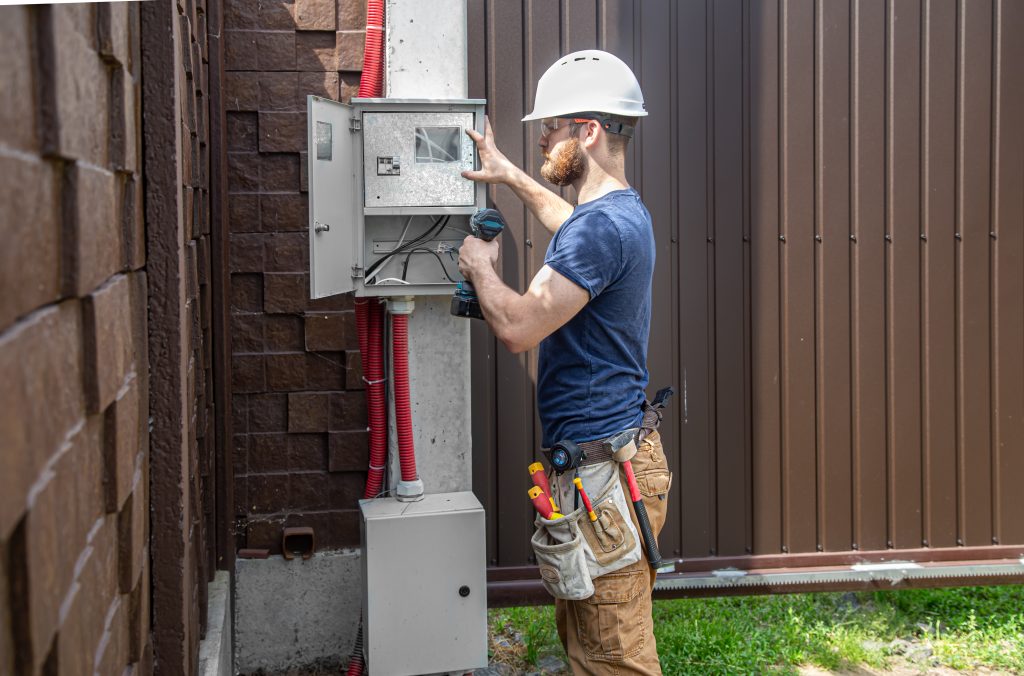
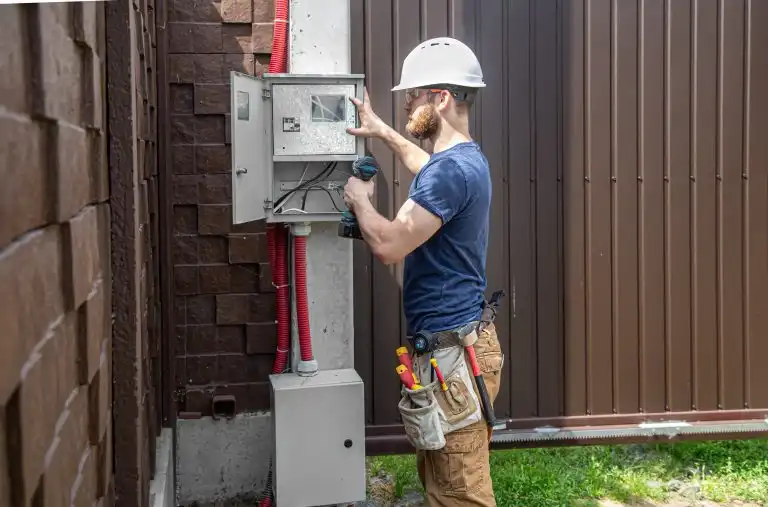
Loose wiring and an overheated motor round out the list, especially on older systems running through a hot summer.
What Are the Warning Signs of Gate Failure?
The clearest warning signs are slow or jerky movement, unusual grinding noises, a gate that reverses on its own, or remotes that work only some of the time. These point to wear that is building toward a full stop.
Pay attention to timing. A gate that suddenly takes longer to open, or hesitates halfway, is telling you something.
Catch these early and a quick adjustment usually fixes it. Ignore them and you are looking at a bigger repair bill when the gate finally stops operating altogether.
Should You Repair a Gate Yourself or Call a Pro?
Simple fixes like swapping remote batteries or wiping a dusty sensor are fine to handle yourself. Anything involving the motor, wiring, or gate alignment is worth leaving to a professional for safety and warranty reasons.
Automatic gates carry electrical current and a lot of moving weight. A misaligned operator can damage the gate, and bad wiring is a real hazard.
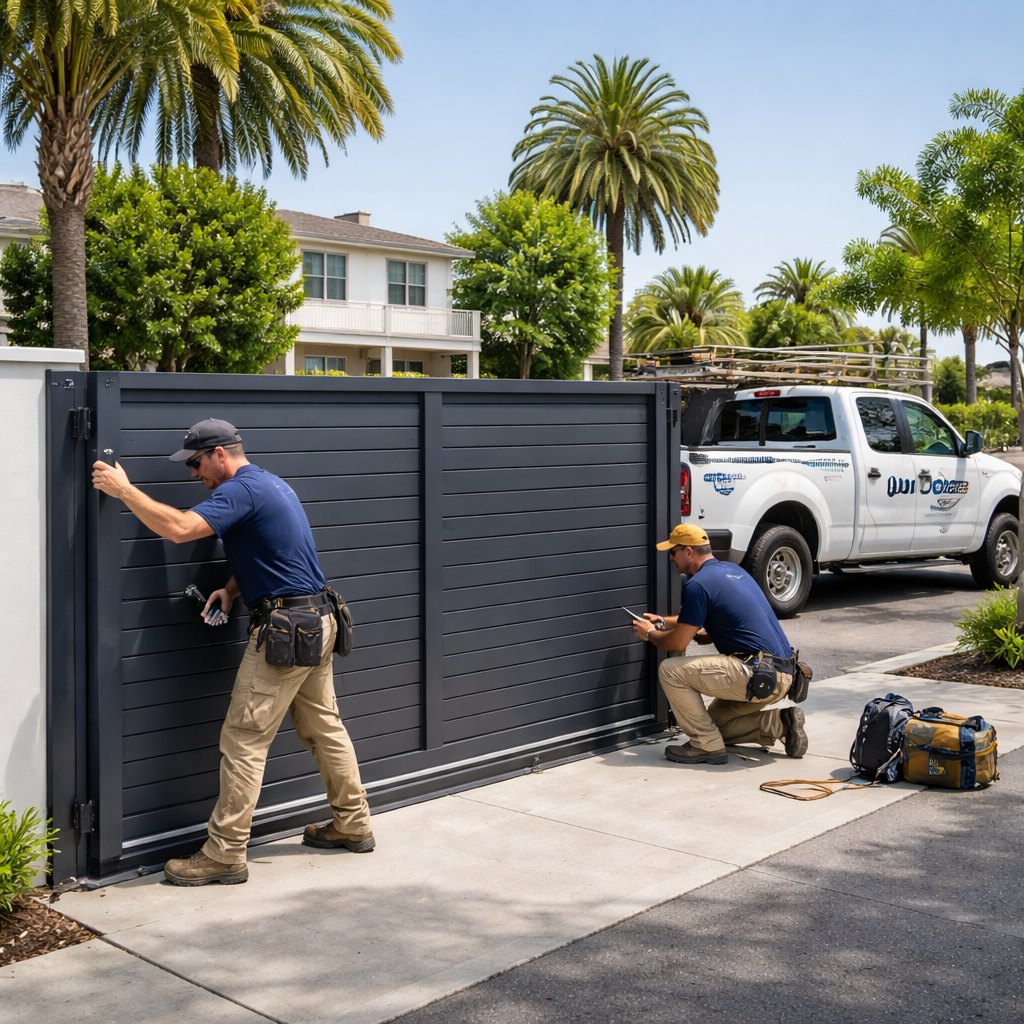
If your gate needs more than a battery, a local gate repair and service visit is the safer call. We often diagnose the issue over the phone first so you are not paying for a trip you do not need. .
How Do You Make an Automatic Gate Last Longer?
Regular maintenance is what makes an automatic gate last. Twice a year, the moving parts should be cleaned and greased, sensors realigned, and safety features tested so small issues never grow into breakdowns.
A good tune up takes an hour and saves you from the expensive surprises. Lubricated hinges, clean tracks, and a checked battery backup keep things running through our worst weather.
With consistent care, a quality gate runs reliably for decades, not just a few years. Many homeowners pair gate upkeep with their fencing and perimeter maintenance to keep the whole entrance solid.
When Should You Replace an Automatic Gate Instead of Repairing It?
Replace your gate when repairs start stacking up, parts are no longer available, or the system predates modern safety sensors and battery backups. At that point a new install is usually cheaper than chasing one failure after another.
If your operator is more than fifteen years old and acting up, upgrading often makes sense. Newer systems handle Corona’s heat better and add features like keypad entry and phone control.
Not sure which way to go? An honest on site assessment will tell you straight.
Frequently Asked Questions
Why does my automatic gate open but not close?
Usually a blocked or misaligned safety sensor. The gate detects an obstacle, real or not, and stays open to avoid closing on something.
How long do automatic gates last in Corona?
With regular maintenance, a quality gate lasts fifteen to twenty years or more. Heat and dust shorten that lifespan when systems are neglected.
Can heat really stop my gate from working?
Yes. Extreme summer heat can cause motors to overheat and electronics to glitch, especially on older or low grade systems exposed to direct sun.
Why is my gate opening slowly?
Slow gate movement is often caused by a failing motor, worn rollers, low battery voltage, poor lubrication, or an obstruction in the track. A gate that suddenly slows down should be inspected before the issue leads to a complete breakdown.
Is it worth getting a battery backup for my gate?
Absolutely. A backup keeps your gate working during power outages, so you are never stranded outside or stuck blocking your own driveway.
How often should an automatic gate be serviced?
Twice a year is ideal in Corona. Routine tune ups catch sensor drift, chain wear, and lubrication needs before they cause a full breakdown.